Commercial Roof Systems Built
for Longevity
Commercial Roofing in Sheridan for new construction and post-storm replacement projects
Hailstorm cycles that move through Sheridan affect entire business districts simultaneously, saturating contractor availability and tightening material supply chains as property owners compete for limited restoration resources. The commercial roofing market shifted toward new construction opportunities as recent storm events depleted the backlog of aging roof replacements, creating demand for systems designed from project inception rather than reactive repairs after failure occurs. Summit Construction, LLC provides commercial roofing installation and replacement across Sheridan and surrounding business communities within the fifty-mile service radius, managing full project scope from permit acquisition through final inspection as part of all-exterior specialty work that includes coordinated fascia, gutter, and building envelope integration.
The service addresses membrane deterioration, flashing failure at rooftop penetrations, and drainage inadequacy that allows ponding water to degrade roof substrates. Licensed and bonded work ensures code compliance while change order processes provide transparency when concealed damage appears during tear-off or when substrate conditions require additional preparation before new roofing installation proceeds.
Schedule a building assessment to evaluate current roof condition and discuss system options appropriate for your facility's use and budget parameters.
What Proper Commercial Roofing Involves
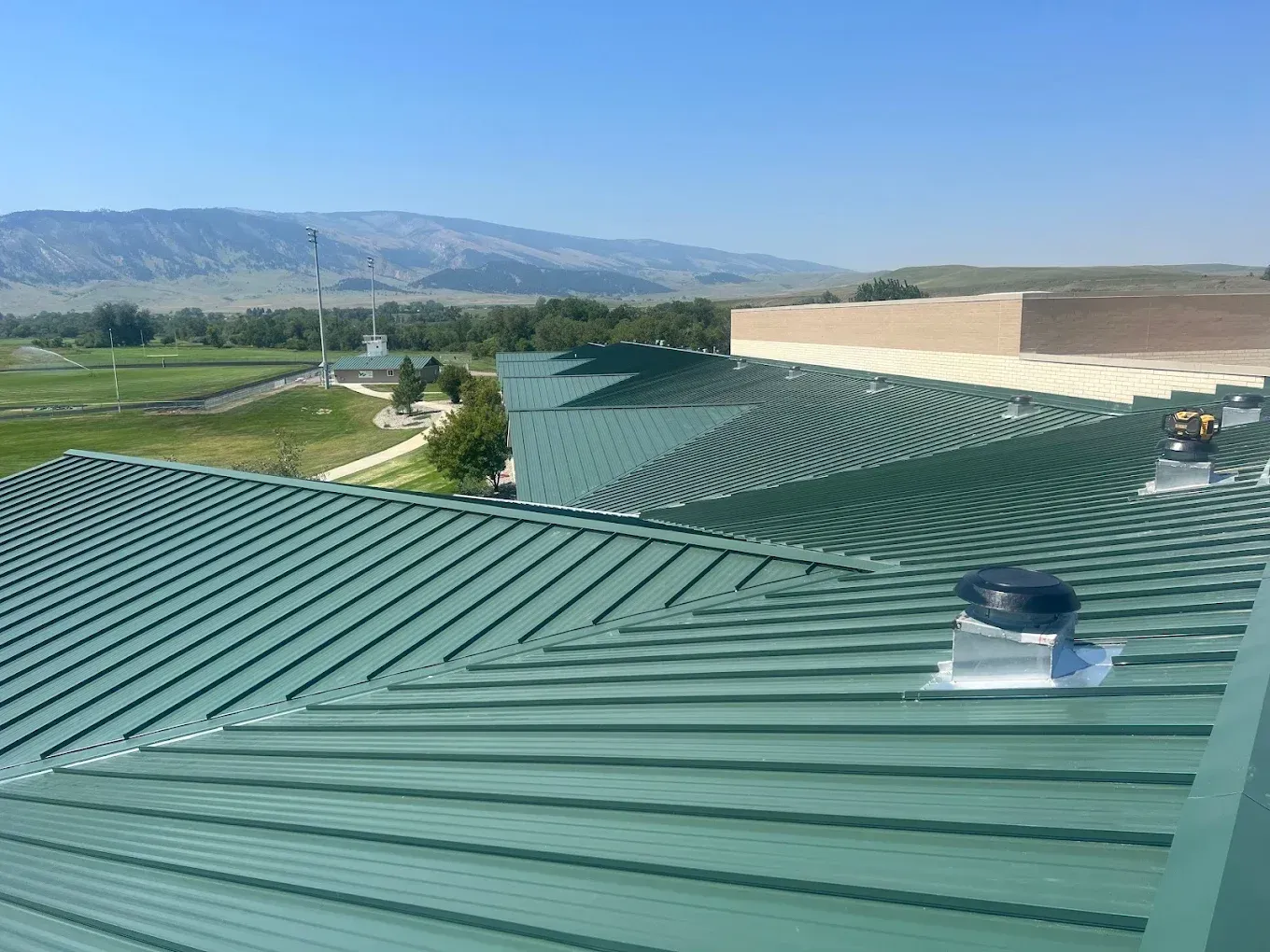
Commercial roof installation requires substrate inspection to verify structural deck integrity, followed by insulation placement that meets current energy codes, then membrane or coating application using fastening or adhesive methods suited to building height and wind exposure. Flashing details at parapet walls, equipment curbs, and drainage penetrations determine whether the system sheds water effectively or creates leak points that compromise interior finishes and business operations. Permits handled in-house streamline municipal approval processes, while subcontractor coordination ensures specialty trades—HVAC equipment set, electrical conduit routing, mechanical curb installation—integrate without penetrating roof membranes in ways that void warranty coverage.
After installation, you'll observe elimination of active leaks that previously disrupted operations, absence of ponding water that accelerated membrane breakdown, and warranty documentation that provides defined coverage terms rather than vague repair promises. Realistic timeline communication accounts for material delivery delays when regional suppliers face backlog from simultaneous storm damage across multiple counties, preventing surprise project extensions that affect tenant occupancy or seasonal business cycles.
System selection involves trade-offs between initial cost and maintenance frequency—single-ply membranes offer lower installation expense but may require more frequent inspection, while built-up or modified bitumen systems provide redundancy against puncture damage common in high-traffic rooftop environments. Drainage design affects substrate longevity regardless of membrane choice, as standing water degrades even premium materials when slope inadequacy prevents complete runoff.
Answers to Common Roofing Questions
Business owners planning roof replacement or new construction projects typically need clarity on system longevity, disruption during installation, and coordination with insurance claims.
What roofing system works best for commercial buildings in Sheridan?
TPO and EPDM membranes resist hail impact and temperature extremes effectively, while metal roofing provides longevity on structures with adequate slope for drainage, though material choice depends on building use, budget constraints, and whether rooftop equipment requires regular access.
How long does commercial roof replacement take?
Project duration depends on building square footage, weather windows suitable for installation, substrate repairs discovered during tear-off, and material availability when regional suppliers face demand spikes after widespread hailstorm damage affects multiple properties simultaneously.
What happens if the roof deck shows damage during tear-off?
Change orders address structural deck repairs, insulation replacement, or substrate modifications required before new roofing proceeds, with pricing and timeline adjustments communicated before work continues to prevent surprise costs or project delays.
Why does permit processing matter for commercial roofs?
Municipal inspections verify code compliance for fire rating, insulation values, and drainage design—permits handled in-house prevent approval delays that extend project timelines when material delivery schedules and subcontractor availability create narrow installation windows.
What maintenance does a new commercial roof require?
Inspection frequency depends on system type and building use—facilities with rooftop equipment need semi-annual flashing checks, while membrane roofs benefit from debris removal and drainage verification after seasonal weather events common to Sheridan's high-elevation location.
Summit Construction, LLC operates across Sheridan's commercial and residential markets with five years of all-exterior project experience, managing permit workflows, subcontractor quality vetting, and realistic timeline communication when material sourcing faces regional supply constraints. Request a project consultation to review your facility's roofing needs and discuss system options suited to operational requirements.